
History

The History of Country Club of New Bedford

The Country Club of New Bedford, a Willie Park Jr. design, has a proud history which began at the turn of the nineteenth century and paralleled the city’s economic evolution.


In the waning days of a very wealthy whaling industry, golf arrived in New Bedford.


New Bedford’s first golf course was laid out by William Campbell, a Boston professional golfer, on the Hawthorn farm. Located on what was considered the city’s outskirts in 1897, the course was a short flat nine hole links design. The Hawthorn Club was officially incorporated in 1898 and quickly became overcrowded as the popularity of the game gained momentum. This original location was in what has since become the city’s West End bounded by Hawthorn, Allen and Brigham streets. The fourth boundary was simply described as woodland, which eventually became today’s Rockdale Avenue.

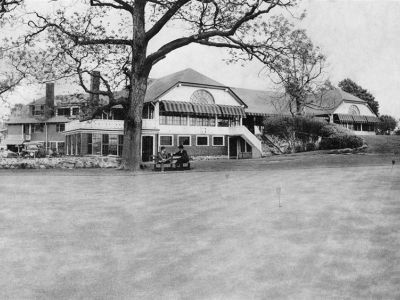
Black and white photo of a large building with a covered porch and lawn. Two figures are seated near a tree.

Textiles began to replace whaling as New Bedford’s primary industry around 1900 just as the Hawthorn Club felt itself becoming overcrowded. Several Board members, prominent businessmen from the emerging industrialized economy, began searching for another venue to accommodate the growing membership of the city’s first golf club .


In 1902 approximately eighty-six acres of land was located in nearby Dartmouth, Massachusetts. The site selected was another working farm which had recently been sold to a group of investors hoping to establish a trotter racetrack on the site. When that deal fell through, our original incorporators swept in and secured the property.


The “golfing professional” from the Hawthorn Club, Mr. David Findlay, proceeded to lay out a nine-hole links course as reported by the Boston Herald. The new location offered a much more varied terrain including a hillside, valley, ledge outcroppings, marshland and a stream. Tenant farmers were allowed to harvest their crops, some stone walls were removed, an orchard was cleared, the land was “prepared” and tilled fields were sown with grass in preparation for the new golf course.


In 1902 the Country Club of New Bedford was incorporated. A short ride from the city by horse, bicycle or horse and carriage, the founders envisioned a true country club experience. A “state of the art” clubhouse was constructed, landscape designers Olmsted and Olmsted from Boston we’re hired, plans were put in place for tennis courts, lawn bowling, croquet courts, a trap shooting range and for the stream to be dammed up in winter for a skating pond.


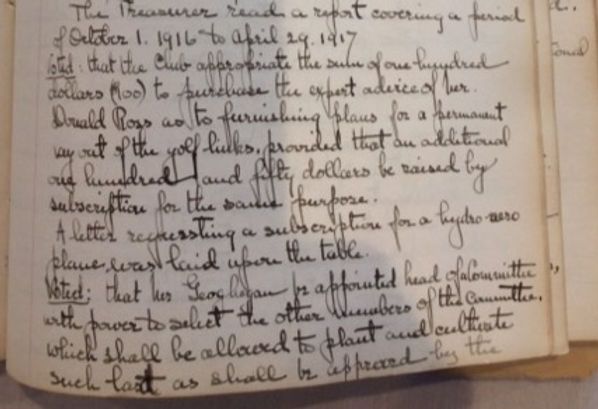
By 1915 the new golf course also became overcrowded and members petitioned the Board of Governors to expand the golfing facility to eighteen holes. In 1917 the Board consulted well know designer Donald Ross about this possibility. No further action with Mr. Ross was taken and it can be inferred from the Board of Governors Minutes that the Club did not own sufficient acreage for an eighteen-hole design. Soon after this consultation the United States entered the First World War and the project was delayed.


In 1921, the Board of Governors began a search for more land. The Board of Governors Minutes reveal that they even considered relocating the golf course once again. An additional thirty-eight acres was ultimately secured in February of 1922, across Slocum Road, which allowed the desired expansion project to proceed.


On March 28, 1922, the Board proudly announced the official hiring of world renowned golf course architect, Willie Park Jr., in New Bedford’s Evening Standard newspaper. It was noted that Mr. Park was currently finishing a project on the outskirts of Chicago (Olympia Fields North Golf Course) and that he would return soon to begin construction.


Willie Park Jr. was the world’s first “golf course architect” and a true entrepreneur. He was a two time Open Champion, the first man ever to write a book on how to play the game of golf and a golf club and ball designer. He had designed golf courses throughout Europe before coming to America in 1895 to play exhibition golf and to design his first course here. He has been labeled “the man who brought golf to the world”.


By 1922 his fame as a golf course designer was well established in Europe and he had offices in both New York City and Toronto. His reputation for innovation included being the first designer to move a golf course away from the coast - as was typical of his time in Scotland and England. His design at Sunningdale was the first golf course entirely sown from seed and he simultaneously designed Hunterscomb - the first project to link surrounding real estate to a newly developed golf course.


Our current eighteen-hole layout was constructed in 1922 - 1923 to replace the original nine-hole links course. It incorporates many of Park’s innovations in golf course design - including his wonderful undulating green complexes, his penchant for following the natural contours of the terrain he encountered, his typical three par threes with artificial hazards to distract the eye, his desire to lay out a course with opportunity for players of all abilities to enjoy and his intent to challenge better golfers to execute thoughtful shotmaking and planning while approaching his greens in order to score.


Construction of the eighteen hole layout at CCNB was completed by September 4, 1923, as evidenced by New Bedford ‘s Morning Mercury’s sports page reporting on the results of the President’s Cup at CCNB. The article concluded with the following statement: “Most of the new holes are now in use and the course is coming along nicely.”


The Country Club of New Bedford’s layout and greens have remained relatively untouched from their original forms for almost one hundred years and represent a wonderful example of a Willie Park Jr. design.


Of course play and camaraderie on this marvelous track is what draws us all to our golf course. Casual rounds with friends new and old predominate, but competition gets serious at times as well.


The annual August Fourball competition is a time honored tradition at CCNB. Members take great pride in knowing that our Fourball is the longest continuously run competition of its kind in America. What began in August of 1931 as a simple three day event for members and their guests has evolved to become our signature tournament - one without comparison in all of New England.


Now a six day tournament, the Fourball has sixty-four two man teams and has spawned a five day Satellite tournament played simultaneously by thirty-two additional teams! Over the years guests have included outstanding golfers from around the country.


The Country Club of New Bedford Women’s Invitational Fourball Tournament was initiated in 1979. This five day tournament was a milestone for women golfers and continues to be the leading event of its kind in the region.


The Country Club of New Bedford even holds a part in the history and evolution of modern golfs balls. In 1930, member Phil Young missed a putt on our eighteenth green. Insisting that the ball had not rolled true and thinking that it’s core was not correctly centered, he had a friend X-ray the ball. When the X-ray proved him correct he convinced fellow member Fred Bommer, an executive of the Acushnet rubber company, to start a golf ball division.


The result of that partnership was the birth of one the most respected golfing manufacturers in the world - the Titleist corporation. To this day, every Titleist golf ball produced is X-rayed before it is sold!


The members of the Country Club of New Bedford are proud of our heritage and especially of the wonderful golf course we are privileged to play. It is our hope to leave it well positioned and well taken care of for future generations to enjoy.


By L Michael Gouveia, DMD May 14, 2020
The Country Club of New Bedford had long claimed that Donald Ross was the man who designed our relatively short but very challenging course. Like many golf courses in America that also claim him as their architect, there remained an air of uncertainty about CCNB truly owning that distinction.  Late in the Fall of 2016, I set out to prove that Donald Ross was the golf course architect responsible for the design of our golf course. Thinking that this should be a relatively simple task, I soon dis
By L Michael Gouveia, DMD May 12, 2020
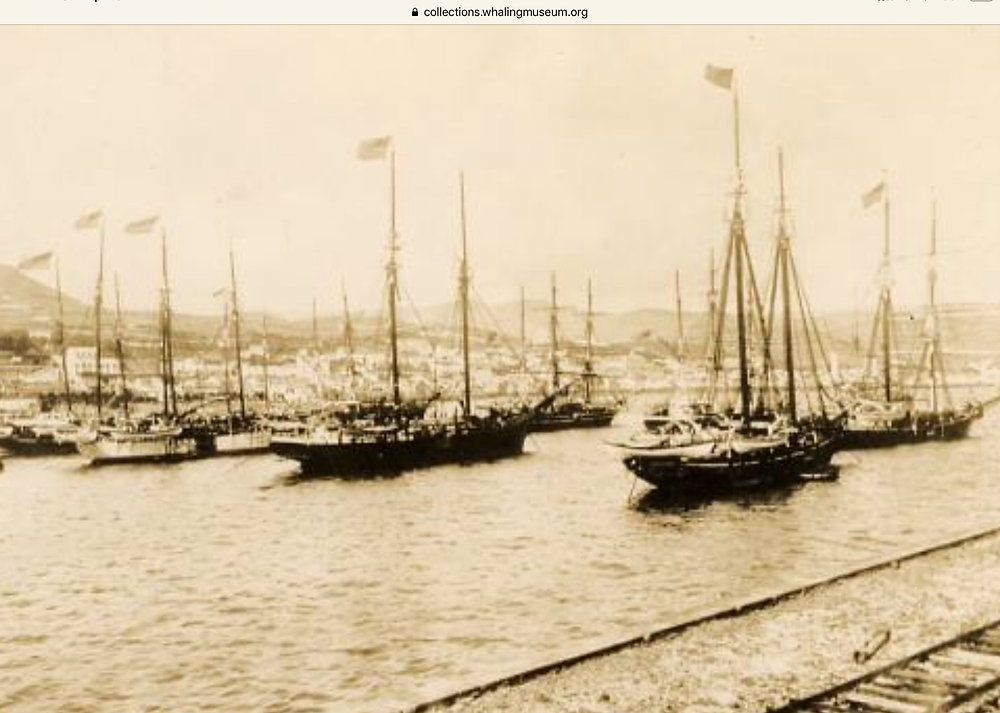
When I began my research in 2016, the city of New Bedford was still struggling to recover from years of economic decline. Thus it was difficult to imagine life in the city at the end of the nineteenth century. Affluence, high society, highly respected businessmen and a robust economy in transition were all in evidence in this city at that time. Commerce in New Bedford, Massachusetts was primarily centered around whaling from the early to mid 1800's. With a population of approximately 20,000 in
By L Michael Gouveia, DMD May 11, 2020
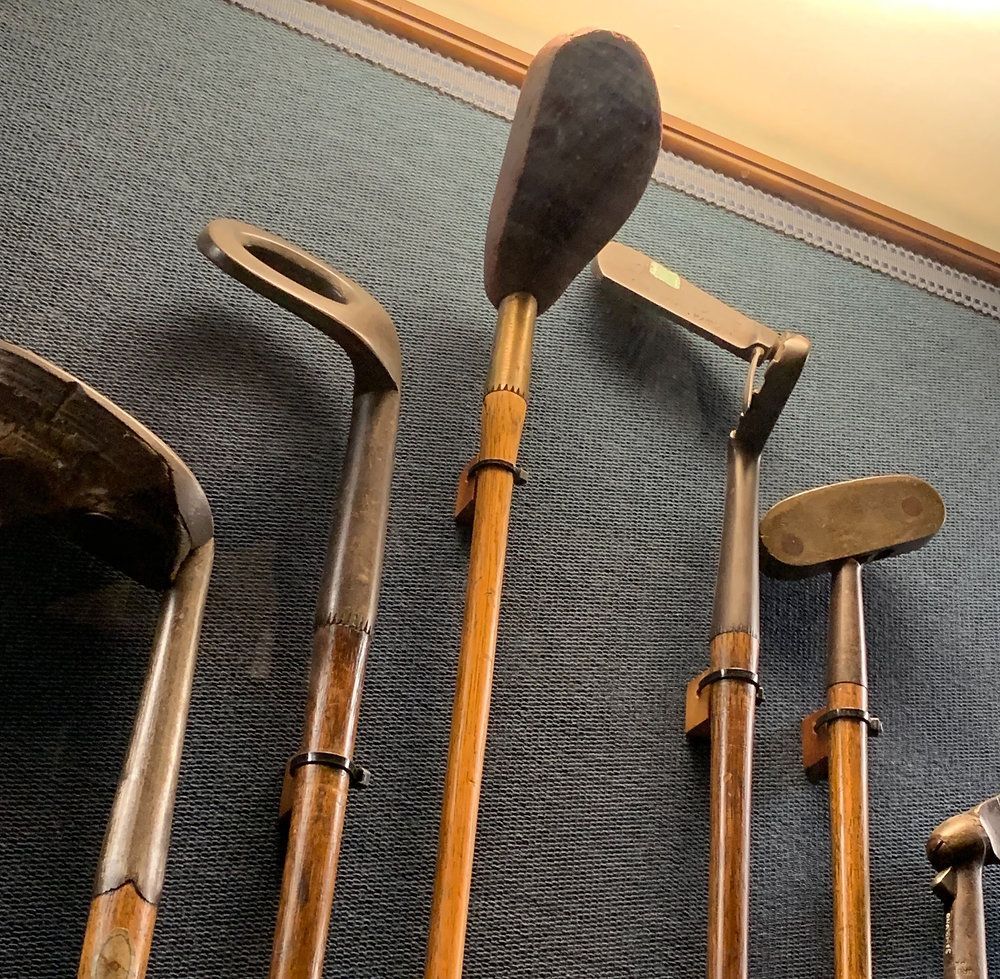
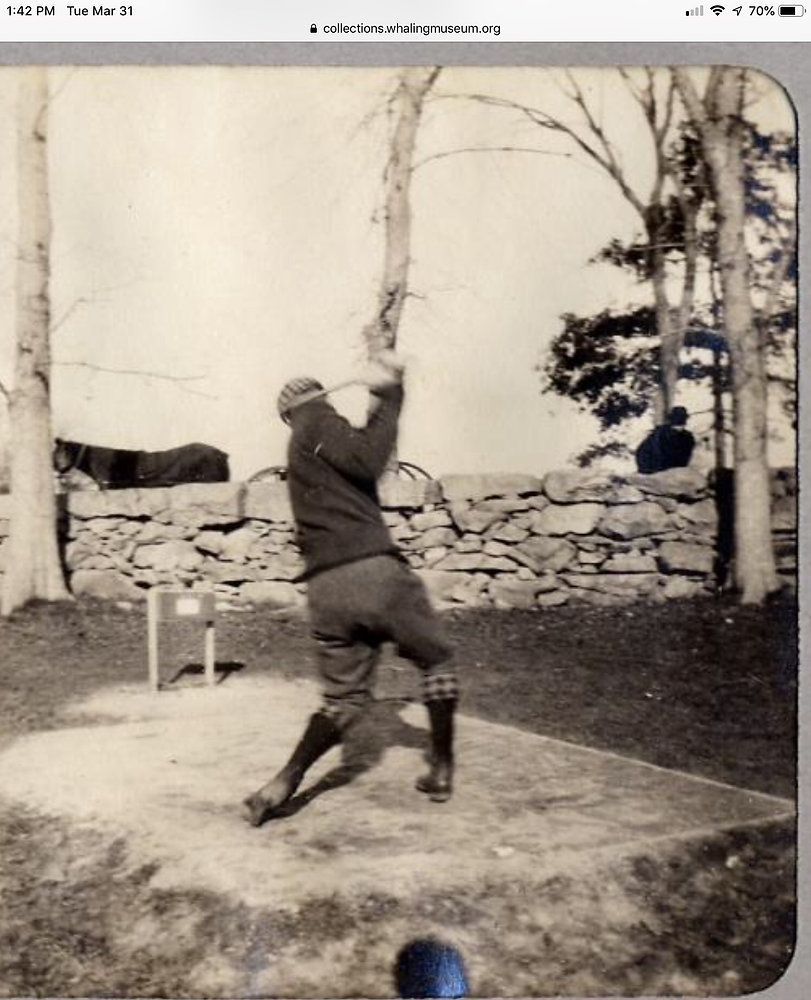
Golf - the Early Days It is thought that the first organized golf game was played in America in 1743 in Charleston, SC. Records show that 473 golf balls and ninety-six golf “sticks” arrived there then from Scotland. At that time there was no set number of holes for a round of golf. The game was played on pasture land with no actual tees or greens and crudely dug unmarked holes provided the target. An early version of today’s caddies called “finders” stood by the hole and yelled “fore” as shots
By L Michael Gouveia, DMD May 10, 2020
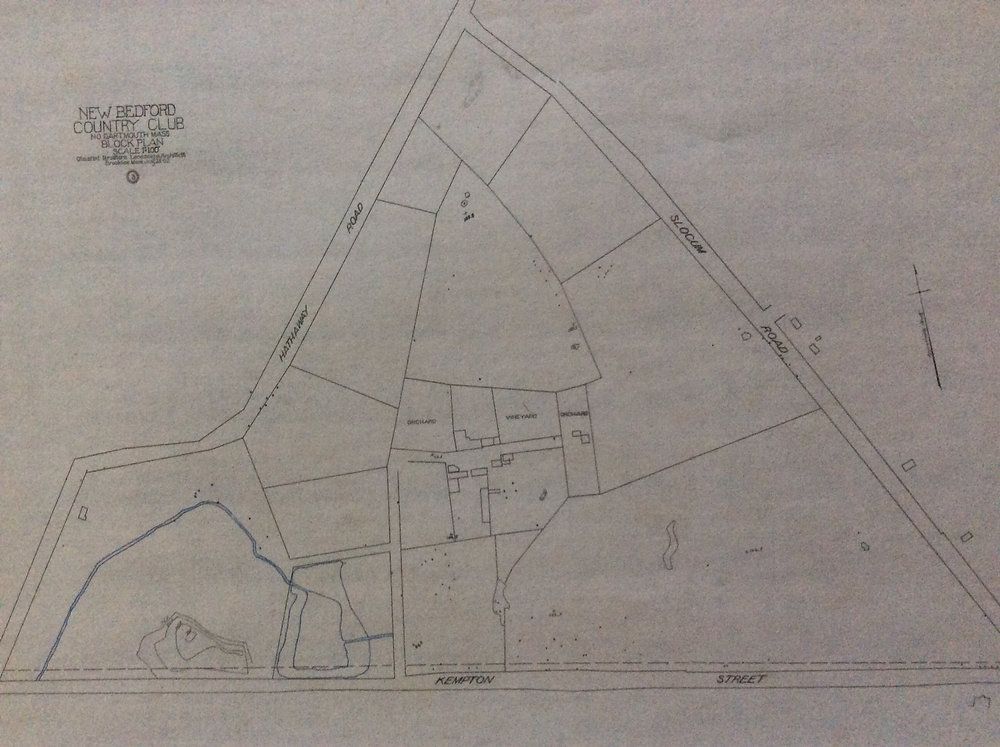
Blog post 3 CCNB Golf Arrives in New Bedford The Country Club of New Bedford had its origins on the fringe of the old city limits on a tract of farmland. The city’s first golf course was located between what are now Hawthorn, Allen and Brigham Streets and the present day Rockdale Avenue (which had not yet been cut through the woods). The original Hawthorn links were somewhat organized in 1897 *35 on what was formerly the Hawthorn farm and was formally incorporated as the Hawthorn Golf Club the f
By L Michael Gouveia, DMD May 9, 2020
A New Venue In 1902 a core group of Hawthorn Golf Club members, perhaps emboldened by the affluence of the whaling industry and the inception of the Industrial Age, initiated a search for a location to establish a new golf course for the city of New Bedford. Dr. John T. Bullard, William C. Hawes, Frederick T. Stetson, Edward T. Pierce, Clarence A. Cook and Edward S. Brown, the original subscribers, reimbursed themselves $6.25 for a rented car and found what they were looking for in the adjacent
By L Michael Gouveia, DMD May 8, 2020
New Bedford Country Club Envisioned  In 1902, the new golf links was incorporated as the New Bedford Country Club. The original Board of Governors was comprised of some of New Bedford's well known business leaders.The first meeting of the Board of Governors for the proposed Country Club of New Bedford occurred on June 30, 1902 at the Bullard residence. Those present elected Dr. John T. Bullard (President), William E. Hatch (Secretary), Edward S. Brown (Treasurer), and William C. Hawes, Clarence
By L Michael Gouveia, DMD May 7, 2020
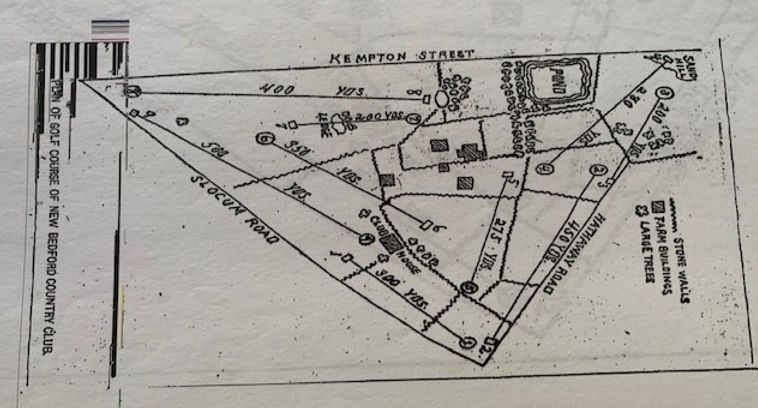
The Original Nine Voted That Jerih Smith Jr., S. T. Pierce, and Fredrick D. Stetson constitute a committee to lay out golf links on the Club grounds.*5 Thus began the process of building a new golf course for the the city of New Bedford when our founders relocated to Dartmouth in 1902. The BOG Minutes describe the original property acquired ... “for the sum of $12,000, for the purchase of the Club, a tract of land in Dartmouth containing approximately 86 acres, bounded by Kempton Street, Slocum
By L Michael Gouveia, DMD May 6, 2020
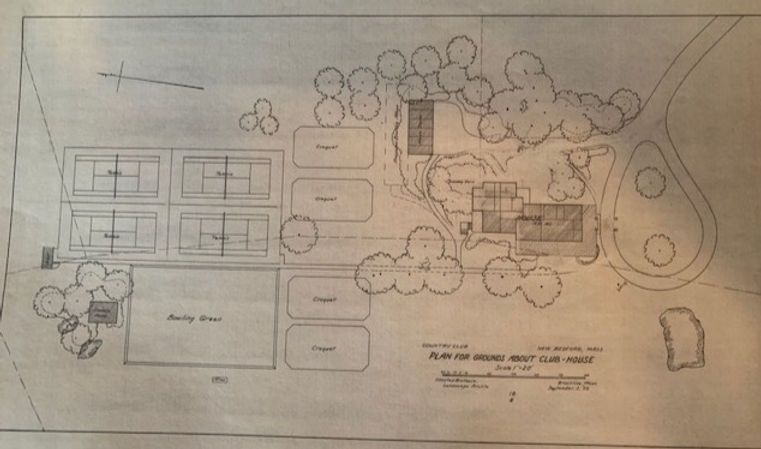
More Than Just A Links In 1902, with the property secured, plans were rapidly put in place to make the site an elite Country Club experience catering to the wealthiest people of the area. As mentioned earlier, Frederick Law Olmsted Jr. was hired to lay out the grounds as landscape architect. A clubhouse was soon under construction, supervised by architect Nat Smith, but the Club founders envisioned much more. The Olmsted drawings reveal designs for four grass tennis courts, four croquet field
By L Michael Gouveia, DMD May 5, 2020
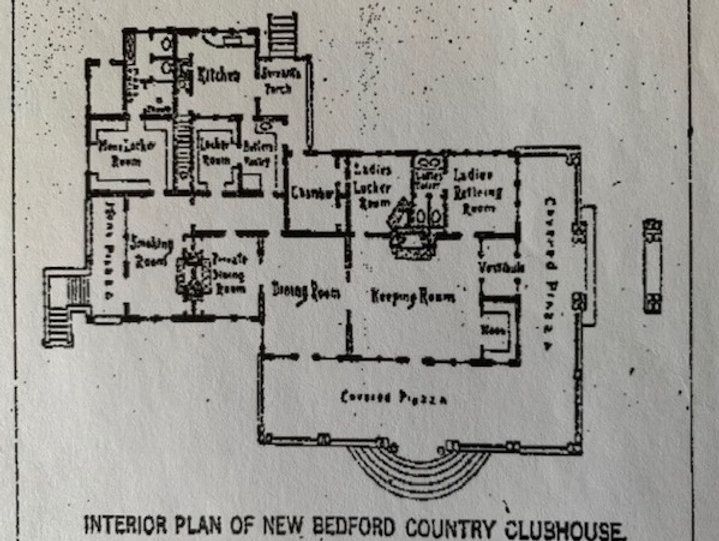
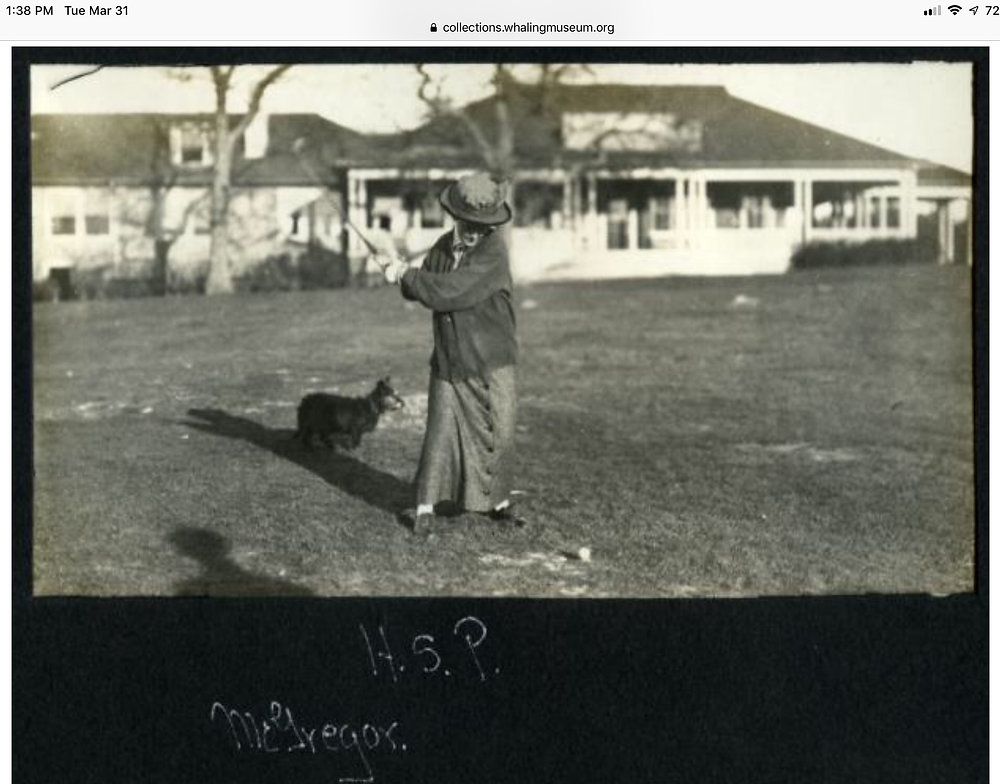
The Clubhouse  The proposed clubhouse for the new golf course was envisioned as something extravagant. A simple structure as seen in the historical images preserved, for its time it was considered state of the art.  Architect Nat Smith was hired "to prepare plans for a Clubhouse, the cost of which is not to exceed $7500 to include heating, plumbing and a room for a water tank and an engine.” *16 The 12/19/02 Minutes show the Board’s displeasure in that the - "Plans for Clubhouse shown and all
By L Michael Gouveia, DMD May 4, 2020
Membership At an early meeting of the Board of Governors, Mr Stetson made a motion recommending that "present members of the Hawthorn Golf Club be invited to join the Country Club of New Bedford" and that "those signifying acceptance on or before April 1, 1903 shall thereby become members upon payment of the initiation fee and dues for the first half of the year". This was followed by a motion by Mr. Prescott that the above vote "also be made applicable to bond holders and their immediate fam
By L Michael Gouveia, DMD May 3, 2020
My search for Donald Ross This research project began for me in 2016 with a single question: Was Donald Ross really the golf course architect responsible for the current layout at the Country Club of New Bedford? My research efforts were an attempt to prove that Mr. Ross was in fact our designer.  Finding the answer to that simple question presented a true challenge and ultimately led me to discover that in fact he was not. What follows below is a description of my process and the three year jo
By L Michael Gouveia, DMD May 2, 2020
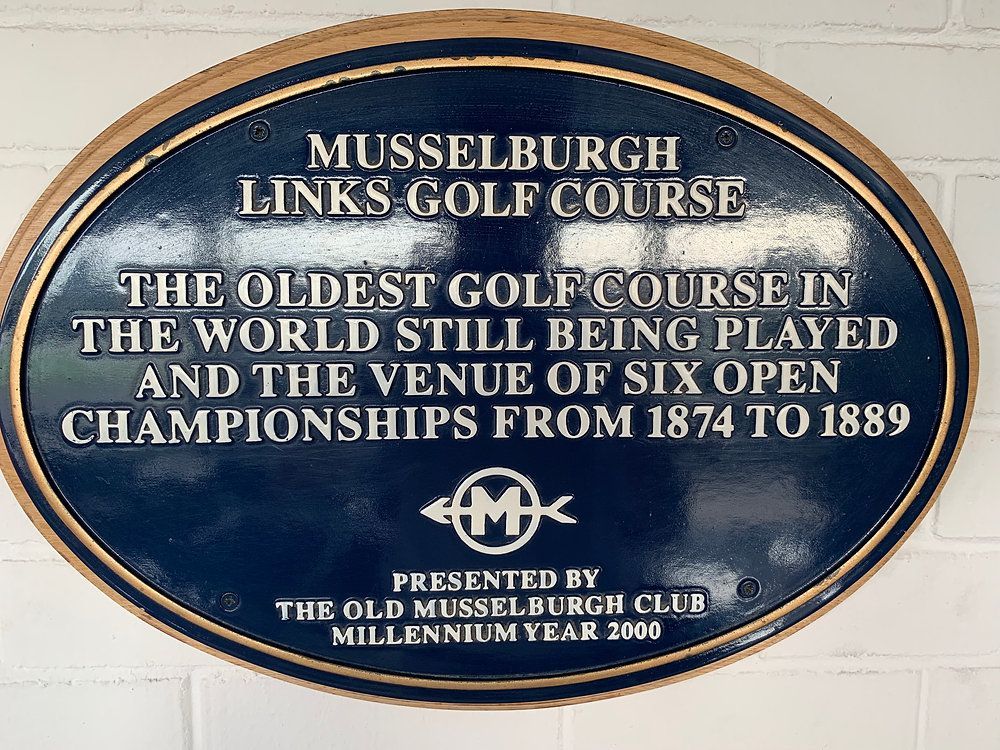
Willie Park Jr. frequently returned to his home course in Musselburgh seeking inspiration when designing new golf courses. He took annual winter voyages back to Scotland while he was doing his golf course designs in North America. Musselburgh Links, The Old Golf Course has a wonderful history. It has been documented as being the oldest golf course in the world still in play. Documentation exists showing that the course was in play as early as March of 1672 although Mary Queen of Scots reputedl
By L Michael Gouveia, DMD May 2, 2020
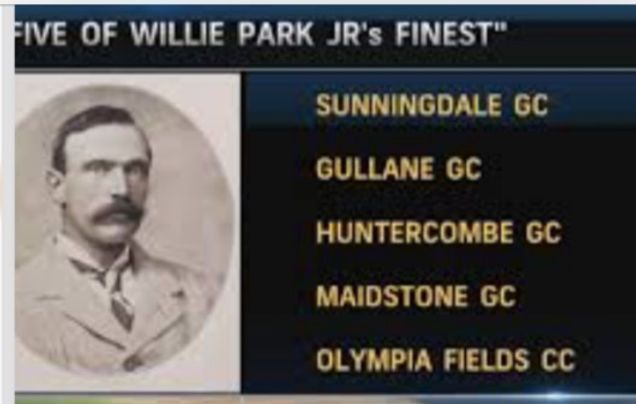
Willie Park Jr, “golf’s first true entrepreneur”, was born in Musselburgh, Scotland February 2, 1864. Willie was the son of three time Open Champion Willie Park Sr. The Park family’s golfing prowess directly rivaled that of Tom Morris Sr. (Old Tom) and his son Tom Morris Jr. (Young Tom) in Scotland.  The competition between these two families was intense for what was then called the Challenge Belt. The belt, which preceded the Claret Jug we know today, was kept by the champion for the year. U
By L Michael Gouveia, DMD May 1, 2020
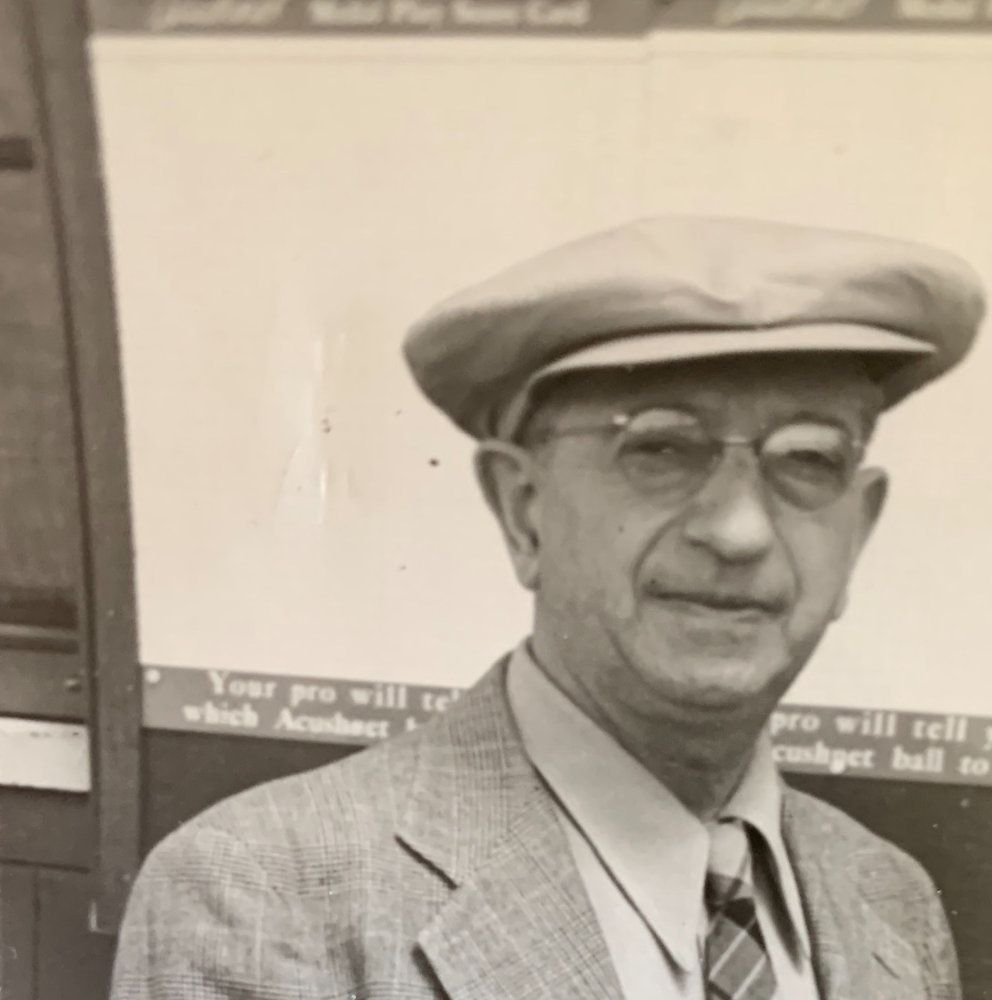
John S. Gilholm Sr. began a near fifty year long career as the golf professional at the Country Club of New Bedford on July 15, 1910 according to the Board of Governors Minutes from that date. It states that "Mr Williams reported that Mr Gilholm has been engaged for the remainder of the season at $40 per month" There was no further mention of exactly what Mr. Gilholm was hired to do or why he was to be paid $40 per month. In fact members had their doubts about hiring the young twenty one year
By L Michael Gouveia, DMD April 30, 2020
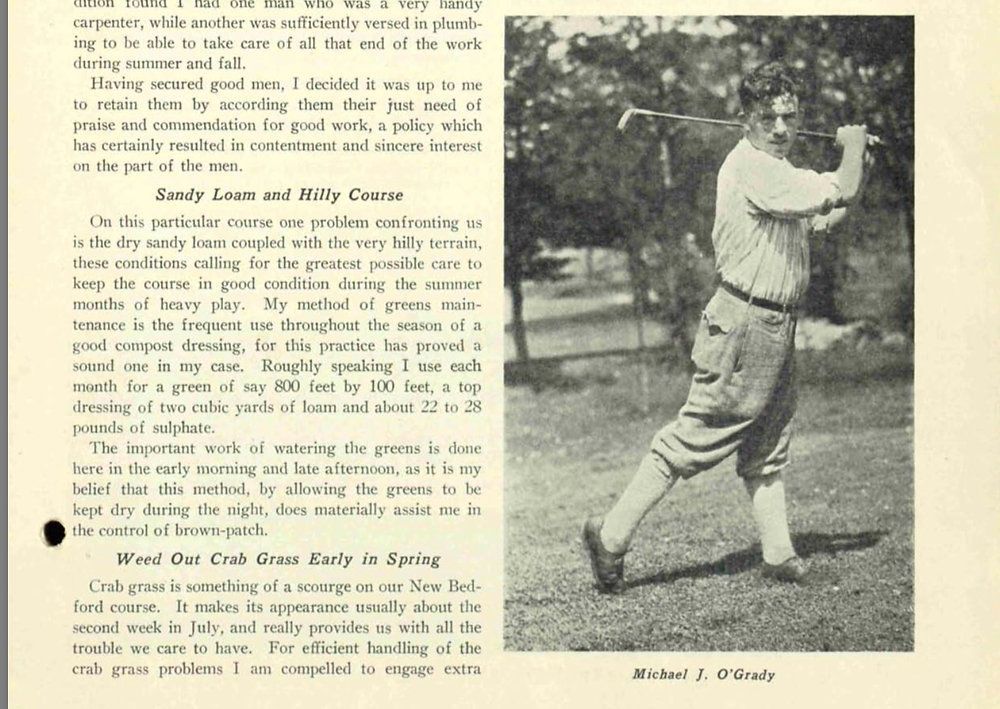
The Country Club of New Bedford has employed several Greenkeepers over the past century, however, none was more respected than Michael Joseph O’Grady. For those of us who were fortunate enough to have known him, there was no question but that the Country Club of New Bedford was hiscourse! Woe to the caddy who went under the fence on Route 6 or cut across his course in the early morning before working. In his eyes there was only one way in and out - the main entrance. Caddies caught sneaking on
By L Michael Gouveia, DMD April 29, 2020
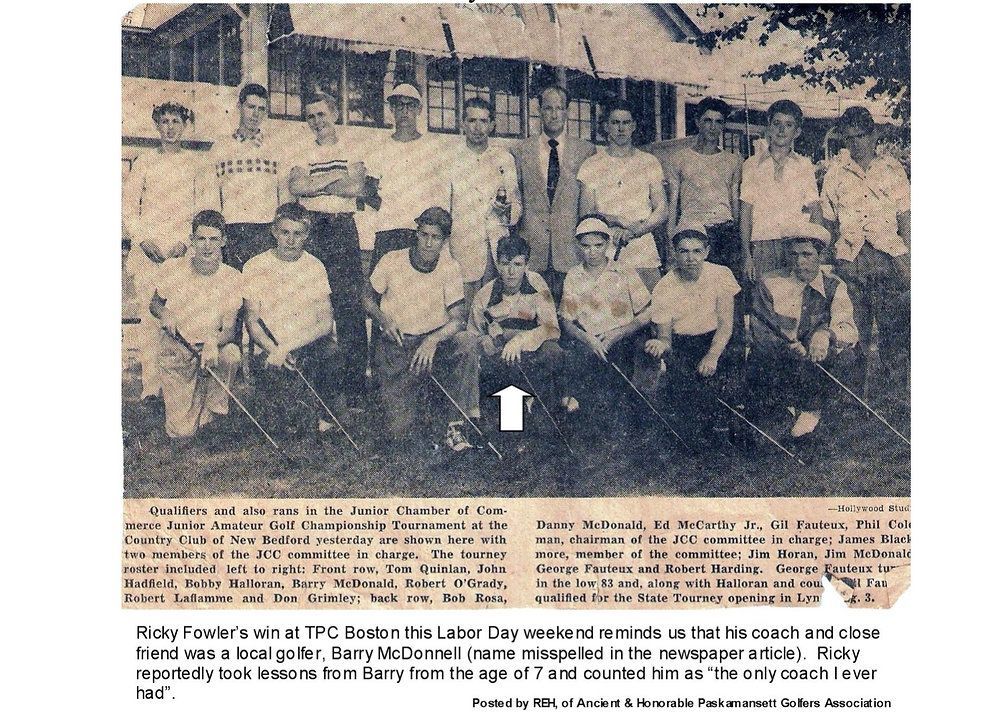
Barry McDonnell essentially grew up at the Country Club of New Bedford where he was raised by his grandfather John S.Gilholm Sr. Here, where he grew up as a caddy, is where his fascination with the game of golf began. He was taught the fundamentals of the game by his grandfather, played for the Dartmouth High School golf team, played many local tournaments including the August Fourball and eventually made his way to the west coast. His professional career began as an assistant golf professiona